Why Every Family Needs a Senior Transition Plan Before Downsizing Becomes Urgent
Estimated Read Time 6-7 minutes
A senior transition plan helps families prepare for one of life’s most emotional and complex seasons: supporting aging parents as their needs, homes, and roles begin to change. When approached early and thoughtfully, a senior transition plan reduces stress, preserves relationships, and allows parents to remain at the center of decisions about their future.
Most families do not begin with a plan. Instead, they are pulled into action by a crisis.
It might be a fall in the middle of the night. A medical scare that changes daily routines. A moment when driving no longer feels safe. Or the quiet realization that maintaining a home has become harder than anyone expected. When these moments happen, decisions feel rushed and emotions run high.
This is where a senior transition plan makes the greatest difference.
This guide explains what a senior transition plan is, why it matters, and how families can begin planning before urgency or crisis takes control.
In this guide, we will explore:
- The Definition: What exactly is a Senior Transition Plan?
- The Benefits: Why early planning preserves dignity and reduces family conflict.
- The Timing: Identifying the best window to start before a crisis occurs.
- Beyond Downsizing: Why this plan is about independence, not just “stuff.”
- The Conversation: How to start the talk with compassion and curiosity.
- The Strategy: Creating a manageable path forward using Downsizing Worksheets.
What Is a Senior Transition Plan?
A senior transition plan is a proactive, step-by-step approach to helping aging parents navigate major life changes. It focuses on preparation rather than reaction and addresses emotional, logistical, and practical considerations over time.
A strong senior transition plan includes:
- Honest conversations about the future
- Gradual downsizing and home safety planning
- Clarifying roles within the family
- Reducing overwhelm through manageable steps
- Preserving dignity, autonomy, and respect
It is not a single event or checklist. It is a process that unfolds over months or years, adapting as circumstances change.
Why Every Family Needs a Senior Transition Plan
Without a senior transition plan, families often find themselves making important decisions during moments of stress or crisis. That is when misunderstandings, resentment, and guilt tend to surface.
In crisis mode, families are forced to react quickly. Conversations become tense. Choices feel limited. Parents may feel pushed instead of supported.
Creating a senior transition plan early allows families to:
- Make decisions thoughtfully instead of urgently
- Keep parents involved and in control
- Reduce conflict among adult children
- Avoid rushed moves or emotional burnout
- Prepare emotionally as well as practically
Planning ahead does not mean something is wrong. It means families are choosing care over chaos.
When Crisis Becomes the Starting Point
Many families begin their senior transition plan after something has already gone wrong. While this is common, it is also where transitions become the hardest.
Crisis-driven downsizing often includes:
- Tight timelines
- Heightened emotions
- Fear-based decision-making
- Limited choices
A senior transition plan created before a crisis gives families more flexibility and far less emotional strain. When a plan already exists, even unexpected events become easier to navigate.

When Should a Senior Transition Plan Begin?
The best time to create a senior transition plan is before it feels necessary.
Early planning works best when parents are:
- Healthy enough to participate fully
- Comfortable expressing preferences
- Able to explain what matters most to them
Waiting until help is urgently needed often limits options and increases pressure. Starting early gives families time to move at a pace that feels respectful and manageable.
Senior Transition Planning Is About More Than Downsizing Stuff
Many people assume a senior transition plan is only about downsizing possessions or selling a home. In reality, those steps are only part of a much larger picture.
A thoughtful senior transition plan also addresses:
- Identity and independence
- Emotional attachment to belongings
- Changing family roles
- Communication and expectations
- Long-term comfort and safety
Downsizing becomes more successful when it is framed as one step within a broader transition, not the entire focus.
Starting the Conversation With Compassion
Conversations about the future are often the hardest part of a senior transition plan.
These discussions work best when they:
- Begin early, without pressure
- Focus on listening rather than fixing
- Respect parents’ experiences and values
- Leave room for pauses and revisiting topics
Instead of starting with what needs to be done, begin with curiosity:
- What does the next chapter look like to you?
- What feels most important to keep or protect?
- What worries you about the future?
A senior transition plan grows out of trust, not urgency.

Creating a Manageable Downsizing Strategy
Downsizing does not need to happen all at once.
Within a senior transition plan, downsizing works best when it is:
- Gradual
- Organized by category, not emotion
- Focused on progress, not perfection
Starting points may include:
- Duplicate household items
- Old paperwork or manuals
- Storage areas rarely accessed
Small wins build confidence and reduce emotional fatigue.

Reducing Stress for Adult Children
Many adult children carry quiet worry about what will happen in the future. A senior transition plan provides structure and reassurance.
It helps adult children:
- Know what conversations to have and when
- Avoid last-minute decision-making
- Balance support with healthy boundaries
- Feel less alone in the process
When expectations are clear, families are better equipped to support one another.
A Senior Transition Plan Is a Living Process
A senior transition plan should evolve as needs change. What works today may need adjustment later.
Regular check-ins allow families to:
- Revisit priorities
- Adjust timelines
- Respond to new challenges
- Maintain open communication
Flexibility is a strength, not a failure.
Common Mistakes Families Make Without a Plan
Families without a senior transition plan often experience:
- Rushed decisions during crises
- Emotional overload
- Miscommunication
- Increased family tension
Planning ahead helps families avoid these pitfalls and move forward with intention.
A Gentle Way to Start the Process
If the idea of a senior transition plan feels overwhelming, start small.
Choose one low-pressure step:
- A single drawer
- A simple conversation
- A short planning session
Momentum grows through consistency, not speed.
Frequently Asked Questions About a Senior Transition Plan
What is a senior transition plan?
A senior transition plan is a proactive approach that helps families prepare for changes related to aging, including housing, safety, daily routines, and long-term needs. It also addresses important financial, legal, and medical decisions such as managing accounts, understanding wills and powers of attorney, and planning for healthcare preferences. The goal is to start these conversations early, before a crisis forces rushed decisions, while keeping parents actively involved and respected as they shape their future.
When should a senior transition plan be created?
The best time to create a senior transition plan is before it feels urgent. Planning early allows parents to participate fully, reduces stress for adult children, and provides more options if circumstances change later.
Is a senior transition plan only about downsizing?
No. While downsizing can be part of a senior transition plan, the plan also addresses emotional readiness, communication, changing family roles, safety considerations, long-term comfort, and essential financial, legal, and medical decisions. This includes managing accounts, understanding wills and powers of attorney, and planning for healthcare preferences. Downsizing is just one step within this larger, thoughtful process.
What happens if families wait until a crisis?
When families wait until a fall, medical scare, or safety issue forces action, decisions are often rushed and emotionally charged. A senior transition plan created ahead of time helps families respond calmly and thoughtfully, even when unexpected events occur.
Can a senior transition plan change over time?
Yes. A senior transition plan is meant to evolve. As health, preferences, or circumstances change, families can revisit and adjust the plan while keeping communication open.
How can adult children help start a senior transition plan?
Adult children can start by initiating gentle, open-ended conversations, listening more than directing, and focusing on understanding their parents’ wishes. Beginning with small, low-pressure steps helps build trust and momentum.
Final Thoughts: Choosing Care Over Urgency
A senior transition plan is an act of care.
It allows parents to retain their voice. It gives families time to listen, plan, and adjust. And it transforms a potentially painful season into one grounded in respect, understanding, and dignity.
Starting early gives everyone the gift of choice.
If this is a transition your family knows is coming someday, creating a senior transition plan now can make all the difference later.
Take Your Next Step
Planning for a transition is a big task, and I want to help you tackle it in the way that feels right for you today.
- Need to break the ice first? Read the free essential guide: Start the Downsizing Conversation. This isn’t in the book, it is a special resource to help you navigate the ‘talk’ and pinpoint your top three priorities right now.
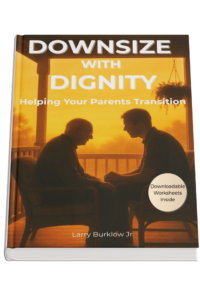
- I need the complete, start-to-finish system. If you want the full strategy, Downsize with Dignity | Helping Your Parents Transition is the full road map, a comprehensive manual. It covers everything from mastering the initial conversation to managing the logistics, finances, and the move itself. It is your total roadmap for the entire transition.